
Diary of a Small Town Girl/Entry 1
Diary of a Small-Town Girl
Entry 1
Nothing happens here.
And everything happens.
I notice it most in the conversations. Not the words, but the shape of them. You can feel where they’re going before they start. The same concerns circle back. The same opinions land in the same places. It isn’t malicious. It’s familiar. It’s what happens when people stay in one place long enough that the edges smooth out.
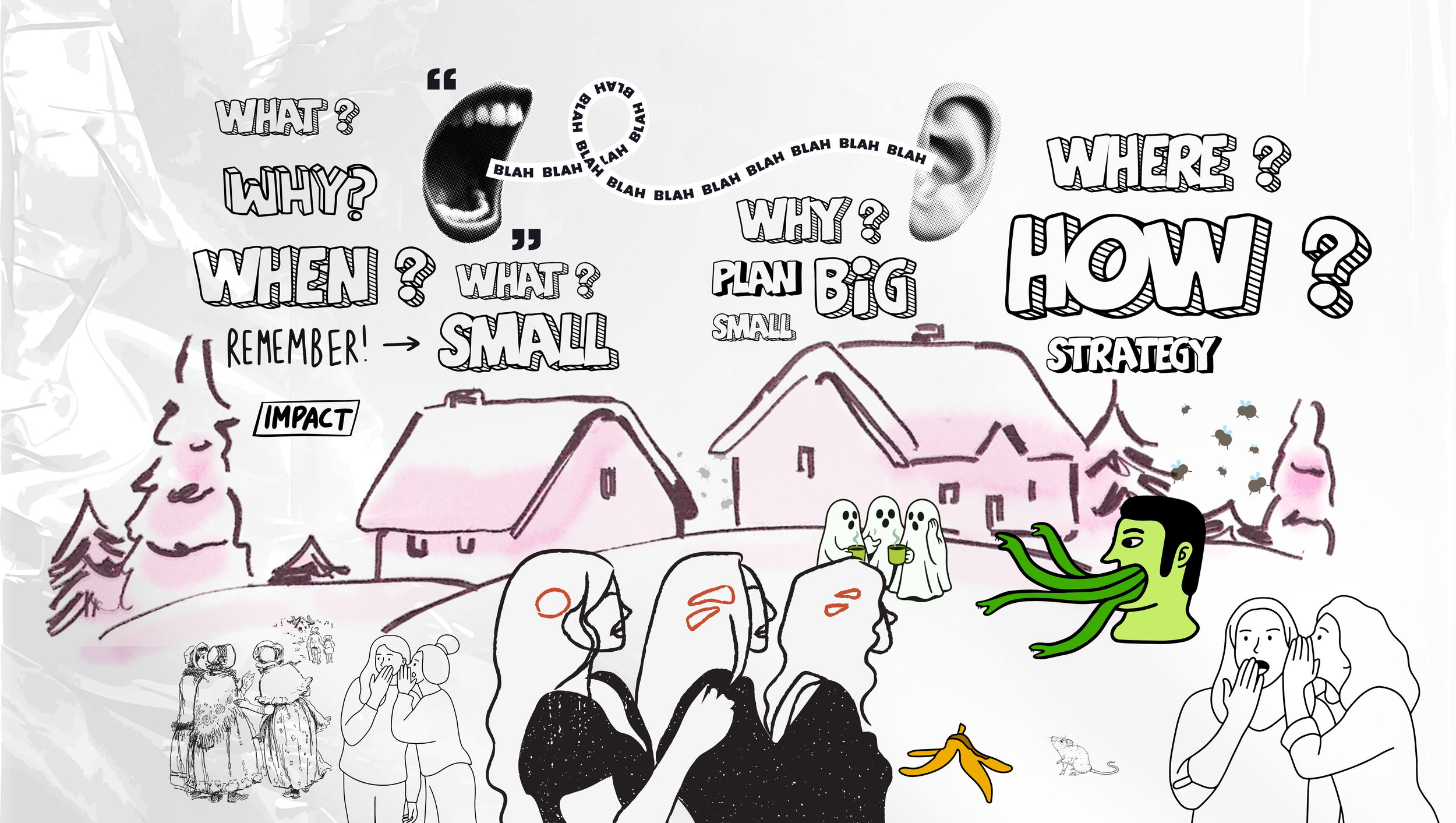
The days follow a routine so steady it almost disappears. You walk the same route. You see the same buildings. You hear the same sounds at the same times. Nothing interrupts you unless something breaks. That kind of consistency does something to your mind. It creates pressure.
For a long time, my work was memory-based. Paintings as fragments of childhood. Colour, shape, and composition; doing the work words couldn’t. I didn’t plan that. It’s just how things came out. Writing wasn’t part of the plan at all. I didn’t think I had access to it.
It’s only in the last couple of years that I’ve started to understand writing the way I understand painting. As a structure that can hold scale. As a way to move large, complicated ideas out of your head and into the world. As something that can make people pause, laugh, and recognize themselves. That realization is still new. The confidence around it is still forming.
Living here has taught me that pressure is productive. Not comfortable, but productive. When you don’t have endless options, you start inventing them. When there’s nowhere to escape to, your mind builds rooms of its own. I didn’t learn how to make things because I was inspired. I learned because there was nothing else to do.
What’s strange about small towns is how much changes without being acknowledged. People come in quickly. People disappear. Energy shifts. Priorities shift. The town adjusts quietly, like it’s learned not to announce itself. The most important changes often get treated like afterthoughts. They’re felt, but not discussed. That silence adds another layer of pressure.
I feel that pressure constantly. From routine. From expectation. From being seen and unseen at the same time. From having people know who you are without knowing you. From having your work noticed but not always understood. From being visible even when you don’t want to be.
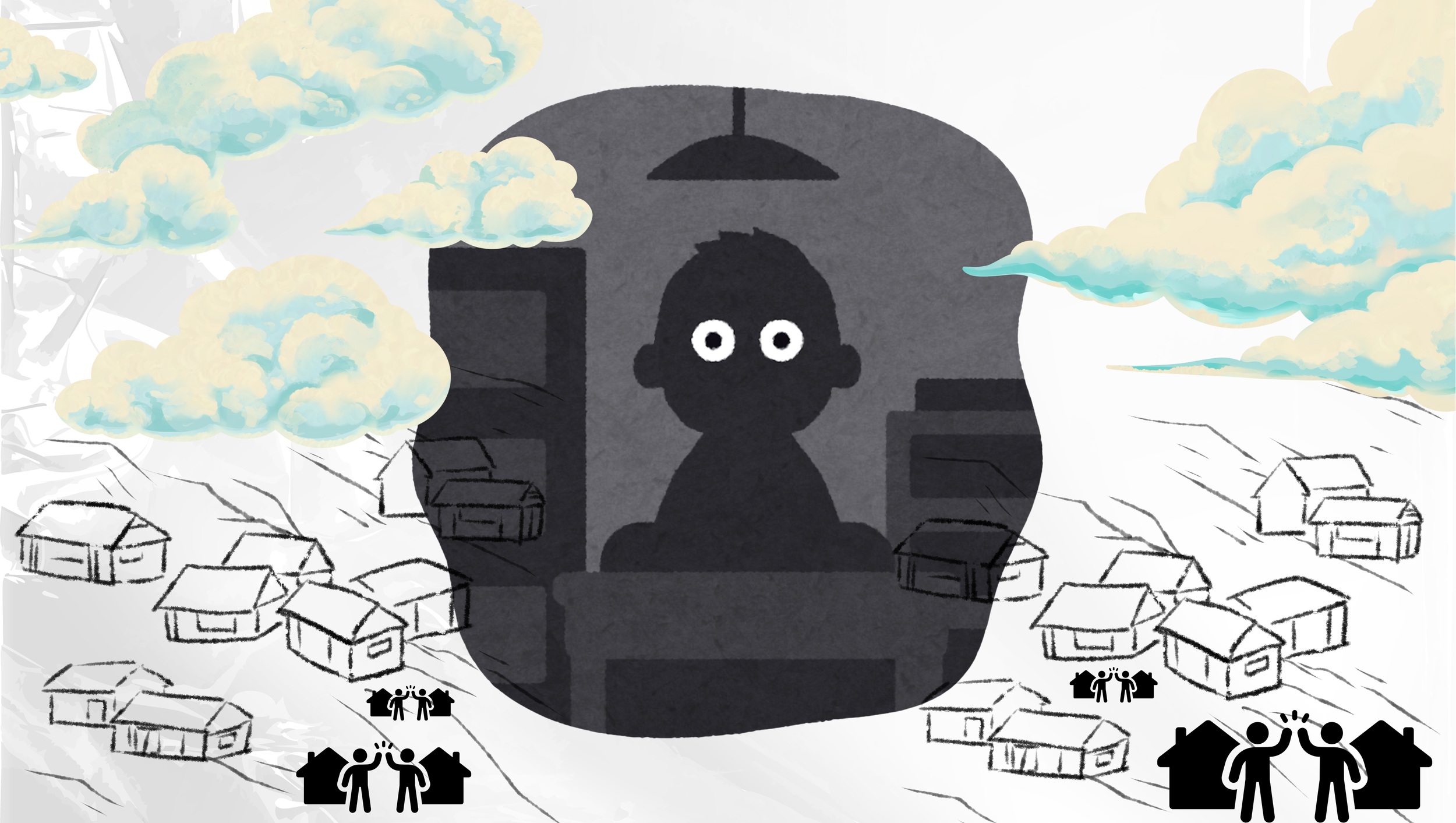
I’m aware of how much I share. I’ve always processed out loud. It’s how I survive my own thoughts. At the same time, visibility changes the stakes. People watch. People interpret. People fill in blanks you didn’t offer. So I’m learning to write from a place that’s honest without being exposed. To tell the truth about conditions without turning myself into evidence.
Pressure creates intensity. That intensity shows up in my work. In how layered it gets. In how many worlds sit inside other worlds. In how I keep circling the same themes from different angles. None of that feels accidental. It feels like destiny.
Small towns don’t offer distractions. They offer time. Time to notice. Time to sit with discomfort. Time to replay the same thought until it either dissolves or turns into something useful. That’s not romantic. It’s practical. It’s how things get made here.
Most days, nothing happens.
And somehow, everything does.
