
The Cost of Being Easy to Count On
Entry 3
People like to believe exploitation looks obvious. They imagine a scam, a thief, or someone asking for money. More often, it looks polite. It wears a smile. It calls itself friendship, collaboration, opportunity, or community.
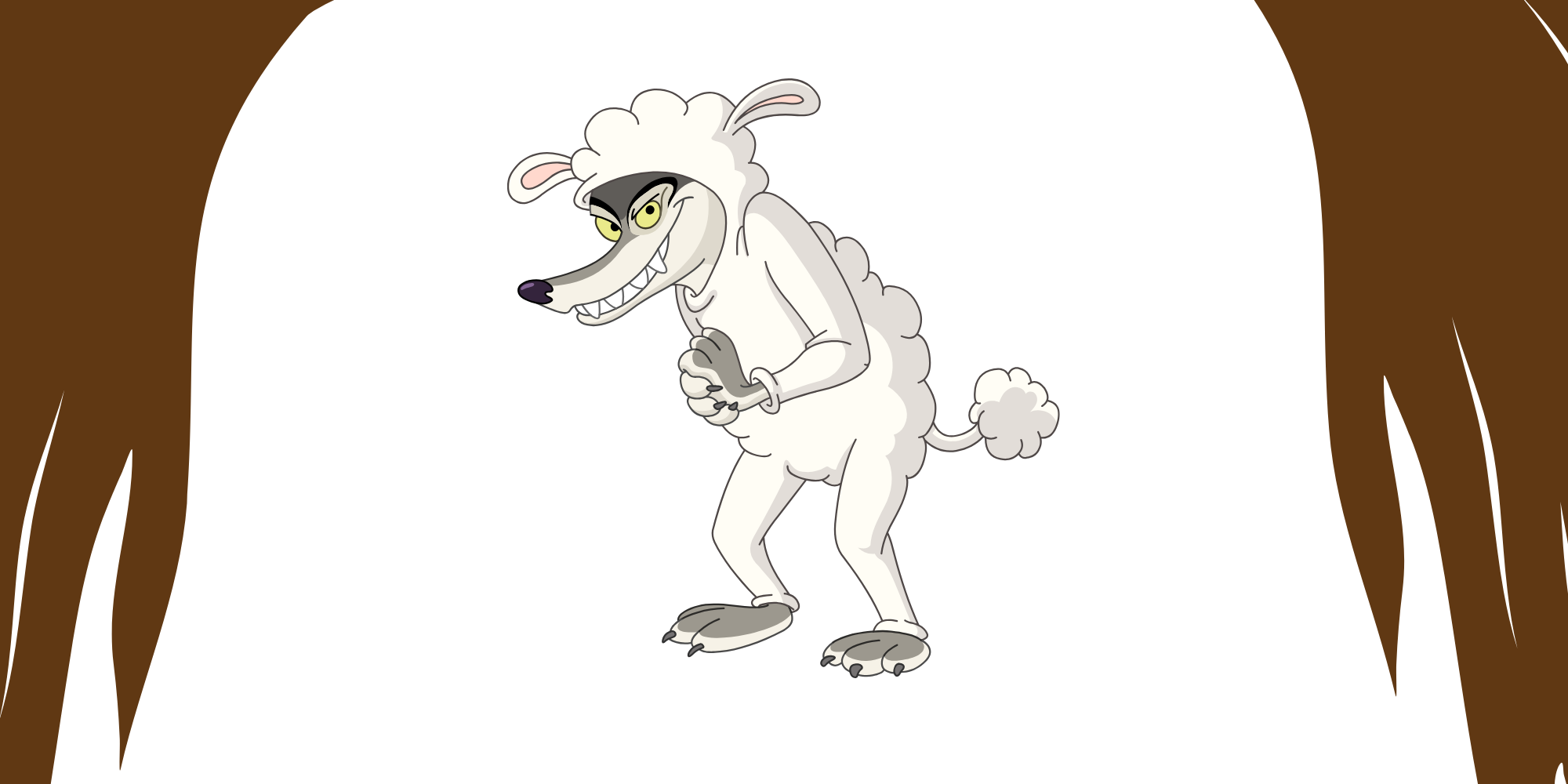
Many neurodivergent people, especially artists, spend years becoming experts at solving problems. We notice details others miss. We connect ideas. We step in when projects fall apart. We volunteer. We build. We fix. We create.
Some people appreciate those qualities.
Others see them as resources.
They learn who always says yes. They learn who will stay late, solve the crisis, lend equipment, share knowledge, or work without expecting immediate recognition. They begin to treat generosity like an unlimited supply.
Artists face another layer.
Creative work has value long before it earns money. An artist brings vision, design, research, storytelling, and countless hours of practice into every project. Yet many people see the finished work and forget everything behind it. They assume ideas are free. They assume creative labour should be shared because “you’re good at it.”
Now put art and business together, and you have an entirely new animal.
One of the hardest lessons in creative business is learning the difference between a real relationship and access disguised as friendship.
Some people keep everything vague. They hint instead of asking. They promise instead of committing. They imply future opportunities instead of putting anything in writing. If you’re creative, generous, or driven by ideas, you step in because you see what something could become. You solve problems. You build. You share. You create.
Then the ground shifts.
The conversation changes. The promises fade. The value of your work gets minimized while the value of theirs suddenly grows. If you ask for clarity or point out the contradiction, the story gets rewritten. Now you’re the difficult one. You’re impatient. You misunderstood. The issue stops being their behaviour and becomes your reaction.
This pattern thrives in ambiguity. Vague language leaves room to deny what was implied. Nothing feels solid enough to challenge, yet you still walk away feeling manipulated.
Business works differently. Clear agreements. Clear prices. Clear ownership. Clear expectations. If someone resists clarity from the start, pay attention. Confusion is expensive. Your ideas, time, and expertise deserve the same respect as any product sitting on a shelf.
Creativity attracts opportunity. It also attracts people looking for free access to your thinking. Learning the difference isn’t cynicism. It’s business.
Neurodivergent people often experience another challenge. Many communicate directly. We ask clear questions because we need clear answers. When those questions expose inconsistencies, the conversation sometimes shifts away from facts and toward personality.
It changes the conversation from accountability to emotion. Once that happens, the original issue often disappears.
Learning to recognize these patterns changes how you move through the world.
You stop confusing access with friendship.
You stop mistaking praise for respect.
You stop believing every opportunity deserves your time.
You begin asking different questions.
Is this relationship reciprocal?
Do my boundaries get respected?
Does my time matter?
Do words and actions match?
Trust becomes something earned, not assumed.
Seeing patterns is not cynicism. It is discernment.
Artists spend their lives learning to see what others overlook. Sometimes the hardest thing to see is the pattern in our own relationships.
Once you recognize it, you don’t become cold. You become selective. You start putting up boundaries, and sometimes they don’t come out right, but you know this feeling all too well. You can’t believe people based on what you wish it could be, but rather what they show you. If people made a living off taking, why wouldn’t they take from you?
Your creativity, time, generosity, and trust are finite resources. They deserve to be shared with people who value them, not people who simply expect them and speak to you like dirt. I think realizing that people operate in this way can be a shock to the system and a reminder to trust your gut. Creative time and energy do have value. Words have value and meaning, and if you don’t have your word, all you have is nothing and run the risk of becoming full of shit. So stick up for yourself, or better yet, don’t confuse friendship with grifting and protect your creative kindness and energy.
